

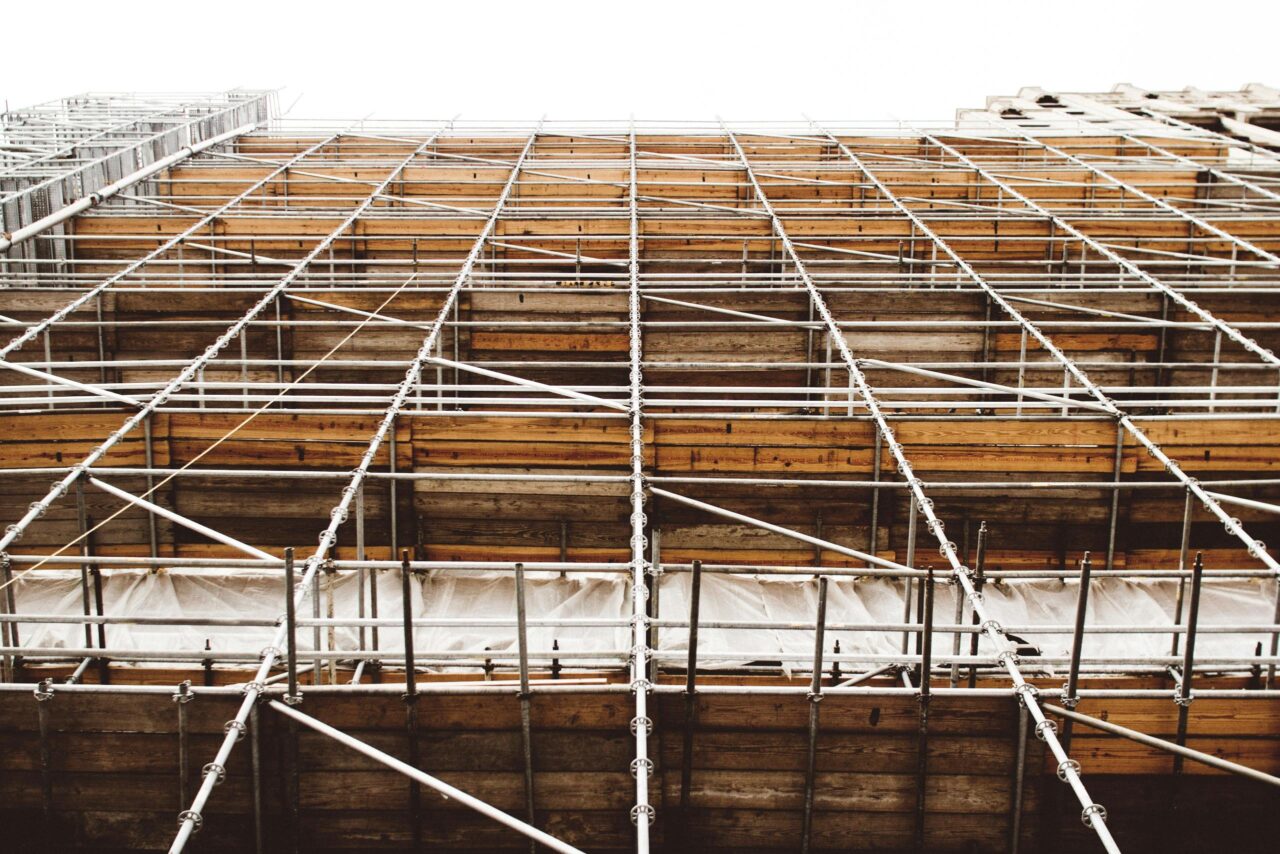
Every construction site is a living metaphor for the work of building partnerships. Walk past one and you’ll see scaffolding— temporary structures of steel and timber rising alongside beams and concrete. These supports are not part of the final design, yet without them, the building could not take shape.
In partnerships, scaffolding takes the form of systems, frameworks and agreements. They may not appear in the final picture of impact, but they are what hold the work steady in the early stages. Scaffolding provides stability in the fragile phase of trust-building, aligning visions, and coordinating action across diverse teams.
Too often, this scaffolding is mistaken for structural or procedural excess and stripped away prematurely. Leaders eager to move quickly dismiss the supports that seem like obstacles at first glance. But scaffolding is not structural drag— it is quiet architecture, providing form and stability while new structures take shape.
The key question is not whether to build scaffolding, but what kind. Will the supports be rigid and brittle, or adaptive and responsive? Will they collapse under pressure, or flex as conditions shift? On the construction site, these questions determine whether a building rises or crumbles. In partnerships, they determine whether collaboration thrives or fractures.
If we are serious about creating regenerative partnerships, we must design our scaffolding with intention. Temporary supports that honor human dynamics, respect timing, and respond to complexity allow the enduring structure to rise with integrity. The lesson is clear: establish your scaffolding, refine your systems and construct with the integrity the future demands.